Beam Radar is built to bridge this gap by delivering accurate and continuously updated satellite frequency data across all major satellites. The platform brings together essential technical details in one place, helping users quickly identify channels and configure their receivers with confidence.
What sets Beam Radar apart is its focus on clarity and precision. Complex satellite information is presented in a simplified format, making it accessible to both casual viewers and experienced technicians without sacrificing technical accuracy.
Through consistent updates and a comprehensive approach to satellite coverage, Beam Radar ensures that readers stay informed, connected, and ready to explore a wide range of channels from around the world without interruption.
This is where Beam Radar plays a vital role, offering detailed coverage of TV channel frequencies Across Every satellite in one organized platform. The site focuses on delivering precise technical information that helps users quickly locate channels and adjust their receivers without confusion or delay.
Rather than presenting raw data alone, Beam Radar provides clear explanations that make satellite information easier to understand, whether the user is a beginner or an experienced satellite enthusiast. From frequency updates to satellite movements, every detail is presented with accuracy and clarity.
By keeping pace with ongoing developments in satellite broadcasting, Beam Radar enables readers to stay connected to their favorite channels while exploring new content across multiple satellites with confidence and ease.
For many viewers, keeping track of these changes can be challenging, especially with the growing number of satellites and channels available today. Even small frequency adjustments can affect Transmission capture and lead to missing important programs.
Beam Radar offers a reliable solution by gathering satellite channel frequencies from all major satellites into a single, well-organized platform. This allows users to quickly find the information they need without relying on scattered or outdated sources.
The platform focuses on clarity and precision, presenting technical details in a format that is easy to understand and apply. Whether adjusting a receiver or searching for a specific channel, users can follow the information with confidence.
In addition to frequency listings, Beam Radar provides insights into satellite movements, Transmission changes, and broadcasting updates that may impact channel availability. This broader perspective helps viewers stay prepared for any changes.
By delivering continuous updates and dependable information, Beam Radar ensures that viewers remain connected to their favorite channels while exploring new content across multiple satellites with ease and reliability.
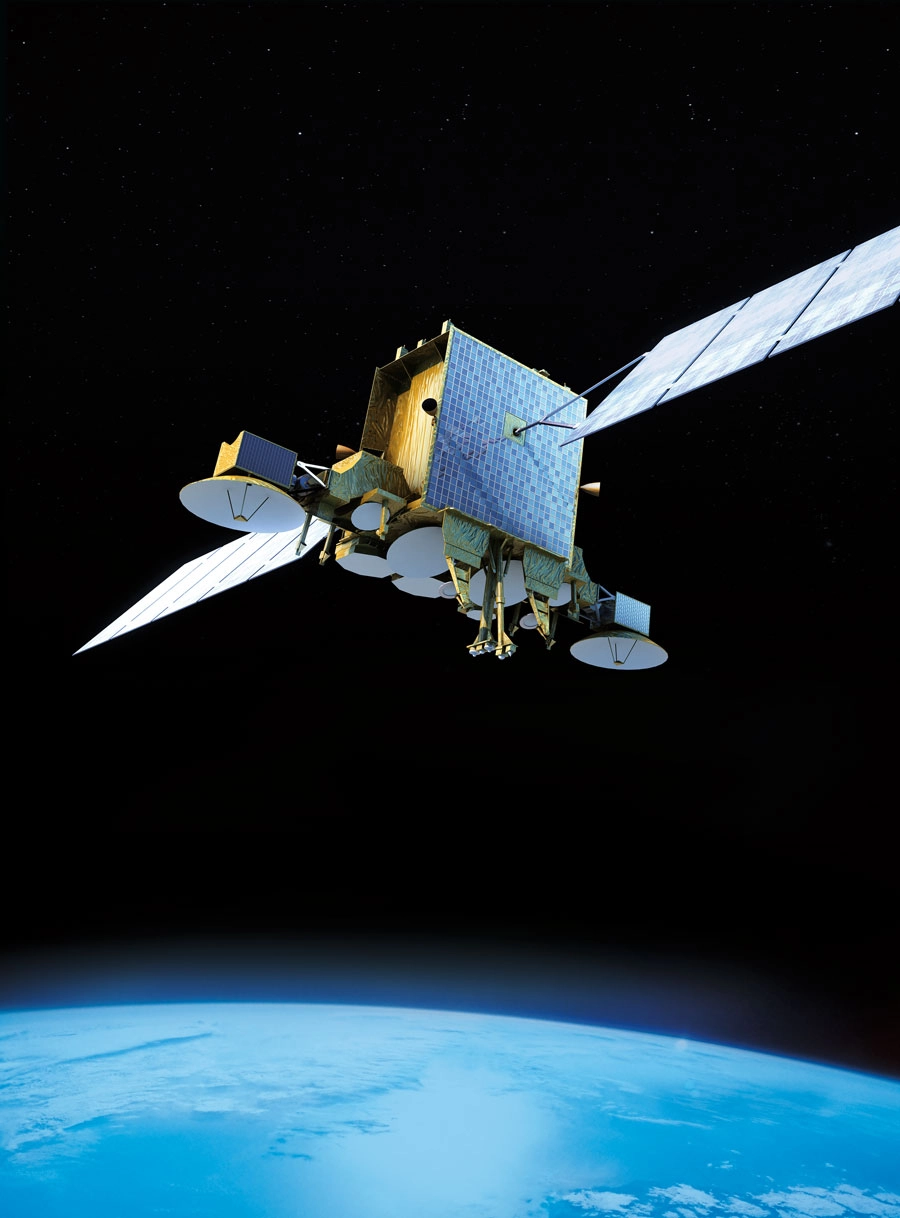
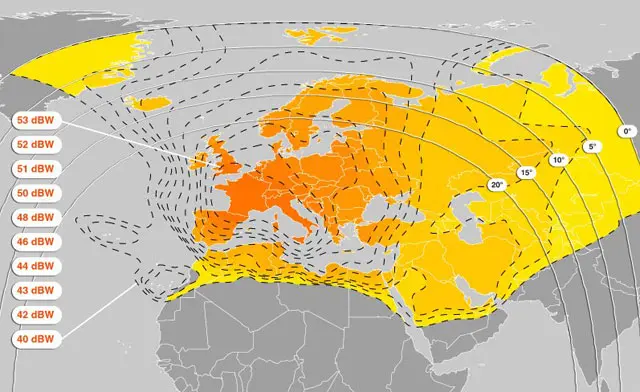
Hotbird is one of the most widely used communication satellites for broadcasting television and radio channels across Europe, the Middle East, and parts of North Africa.
Since its launch in 1995, the Hotbird satellite fleet has played a significant role in providing a wide variety of content, including free-to-air, subscription-based channels, and internet services.
With its strategic orbital position and advanced technology, Hotbird has established itself as a leader in the satellite broadcasting industry.
🚀 On the subject of Hotbird
Hotbird is operated by Eutelsat, one of the world’s leading satellite operators. The Hotbird satellite fleet consists of multiple satellites, such as Hotbird 13C, Hotbird 13B, and Hotbird 13E, which are positioned at 13° East longitude. This prime location allows Hotbird to provide coverage across large parts of Europe, the Middle East, and North Africa.
Hotbird offers an extensive array of services, including:
-
Television channels: A variety of TV channels, including news, sports, entertainment, and educational programming.
-
Radio broadcasting: Both FM and satellite radio services.
-
Data and internet services: Reliable internet and communication links for businesses and individuals.
-
Corporate communications: Private communication channels for corporate and government use.
🌐 Hotbird’s Satellite Fleet
The Hotbird fleet includes several satellites positioned in the same orbital slot at 13° East, which gives it an exceptional ability to serve a large area of coverage.
Key satellites in the Hotbird fleet include:
-
Hotbird 13B
-
Hotbird 13C
-
Hotbird 13E
-
Hotbird 13F (Upcoming)
These satellites are equipped with high-powered transponders that deliver a wide range of services across the broadcast and telecommunication sectors.
🛰️ Frequencies and Services on Hotbird
Hotbird offers services through several frequency bands, including the K-band and Ka-band. These frequencies are used for different purposes:
-
K-band: The most common frequency for satellite TV and radio services. It offers high-quality transmission with smaller dishes and supports high-definition (HD) channels and internet services.
-
Ka-band: Used for high-capacity data services and satellite internet, offering faster speeds and lower latency.
Hotbird’s wide range of frequencies enables users to access hundreds of television channels, radio stations, and internet services across a broad area.
📡 How to Receive Hotbird Signals
To receive signals from the Hotbird satellite, users need a satellite dish that is properly aligned to the 13° East orbital position. The dish should be connected to a compatible receiver, which will allow the user to tune in to the correct frequencies.
Common Hotbird Frequencies:
-
Hotbird 13C Frequency:
-
Frequency: 11.647 GHz (Horizontal)
-
Symbol Rate: 27500
-
FEC: 3/4
-
-
Hotbird 13B Frequency:
-
Frequency: 12.722 GHz (Vertical)
-
Symbol Rate: 27500
-
FEC: 3/4
-
These frequencies are used for a variety of services, including satellite TV channels, radio stations, and data transmission.
For precise information on the frequencies and satellite settings, FreqSatellite is an excellent resource that provides updated details for users looking to tune their satellite systems to Hotbird’s services.
Hotbird is a major player in satellite broadcasting, offering wide-reaching coverage and reliable services across Europe, the Middle East, and North Africa. Its fleet of satellites provides a broad range of services, including television, radio, internet, and data transmission, making it a key player in the communication industry.
If you are looking to set up a satellite system to receive Hotbird signals or need the latest frequency updates, FreqSatellite offers the most comprehensive guides and settings for all your satellite needs.
Even small adjustments in satellite settings can significantly impact Transmission capture quality. Having accurate and up-to-date information helps viewers respond quickly to these changes and avoid Transmission loss.
Understanding the basics of frequency configuration and receiver settings empowers users to optimize their equipment for better picture and sound quality. This knowledge reduces technical issues and enhances the overall viewing experience.
Regular updates also introduce viewers to new channels and expanded content offerings across multiple satellites. This allows audiences to explore a wider range of entertainment, news, and educational programming.
Consistent monitoring of satellite updates ensures that viewers never miss important broadcasts or channel additions. It helps maintain continuous access to content without unnecessary interruptions.
Practical awareness of satellite technology benefits not only casual viewers but also enthusiasts who enjoy fine-tuning their setups. Staying informed enables them to make precise adjustments and achieve optimal performance.
Ultimately, following satellite frequency updates provides viewers with confidence, reliability, and flexibility, allowing them to enjoy a seamless and enriched television experience across Every satellite.
Understanding technical details such as frequency settings and Transmission adjustments allows users to optimize their satellite receivers and avoid common Transmission capture issues. This knowledge plays a key role in achieving consistent picture and sound quality.
Regularly following updates also enables viewers to discover new channels and explore a wider range of content across different satellites. It opens the door to diverse programming from various regions around the world.
Ultimately, having access to clear, up-to-date satellite information empowers viewers to enjoy satellite television with confidence, convenience, and uninterrupted access to the content they value most.
As satellites expand coverage and channels improve broadcast quality, frequency changes and technical adjustments become more common. Without accurate information, even minor updates can result in Transmission loss, reduced quality, or missing channels entirely.
Understanding how satellite frequencies work gives viewers greater control over their viewing experience. Knowledge of polarization, symbol rates, and receiver configuration allows users to respond quickly to changes and maintain optimal Transmission capture.
Keeping up with updates also helps viewers adapt to technological advancements in broadcasting. Modern satellite systems introduce improvements that enhance picture clarity, sound quality, and overall Transmission stability when configured correctly.
Regular monitoring of frequency updates ensures that viewers remain connected to their preferred channels without interruption. It also minimizes frustration caused by outdated settings or incorrect technical information.
Beyond technical stability, staying informed opens the door to discovering newly launched channels and expanded programming options. This allows viewers to explore diverse content across entertainment, sports, news, education, and cultural programming.
Following satellite updates also provides insight into broader broadcasting trends. Viewers gain a clearer understanding of how satellite networks evolve and how global television distribution continues to expand.
For enthusiasts and technically inclined users, accurate frequency information enables precise fine-tuning of equipment. This level of control leads to improved performance and a deeper appreciation of satellite technology.
Consistent access to reliable data reduces the need for constant troubleshooting or professional assistance. Viewers become more confident in managing their satellite setups independently.
Awareness of ongoing changes also ensures that viewers can quickly react to temporary disruptions or permanent shifts in channel locations. This preparedness helps maintain uninterrupted viewing over time.
By combining knowledge, attentiveness, and reliable updates, viewers can enjoy a smoother and more dependable satellite television experience. Information becomes a powerful tool for maintaining quality and consistency.
Ultimately, continuous awareness of satellite broadcasting developments empowers viewers to enjoy television content with confidence, flexibility, and ease, ensuring long-term satisfaction in an ever-changing broadcast environment.
Accurate information helps viewers configure their equipment correctly, ensuring optimal Transmission Transmission capture and high-quality audio and video performance.
Following updates also allows viewers to discover new channels and diverse programming from multiple regions, expanding the scope of accessible content.
Understanding technical parameters, from Transmission repeater settings to Transmission strength, empowers users to resolve Transmission capture issues independently and enjoy a seamless experience.
Ultimately, continuous monitoring and awareness enable viewers to maintain consistent access to satellite content, enjoying television with reliability, variety, and convenience.
As satellites expand coverage and channels improve broadcast quality, frequency changes and technical adjustments become more common. Without accurate information, even minor updates can result in Transmission loss, reduced quality, or missing channels entirely.
Understanding how satellite frequencies work gives viewers greater control over their viewing experience. Knowledge of polarization, symbol rates, and receiver configuration allows users to respond quickly to changes and maintain optimal Transmission capture.
Keeping up with updates also helps viewers adapt to technological advancements in broadcasting. Modern satellite systems introduce improvements that enhance picture clarity, sound quality, and overall Transmission stability when configured correctly.
Regular monitoring of frequency updates ensures that viewers remain connected to their preferred channels without interruption. It also minimizes frustration caused by outdated settings or incorrect technical information.
Beyond technical stability, staying informed opens the door to discovering newly launched channels and expanded programming options. This allows viewers to explore diverse content across entertainment, sports, news, education, and cultural programming.
Following satellite updates also provides insight into broader broadcasting trends. Viewers gain a clearer understanding of how satellite networks evolve and how global television distribution continues to expand.
For enthusiasts and technically inclined users, accurate frequency information enables precise fine-tuning of equipment. This level of control leads to improved performance and a deeper appreciation of satellite technology.
Consistent access to reliable data reduces the need for constant troubleshooting or professional assistance. Viewers become more confident in managing their satellite setups independently.
Awareness of ongoing changes also ensures that viewers can quickly react to temporary disruptions or permanent shifts in channel locations. This preparedness helps maintain uninterrupted viewing over time.
By combining knowledge, attentiveness, and reliable updates, viewers can enjoy a smoother and more dependable satellite television experience. Information becomes a powerful tool for maintaining quality and consistency.
Ultimately, continuous awareness of satellite broadcasting developments empowers viewers to enjoy television content with confidence, flexibility, and ease, ensuring long-term satisfaction in an ever-changing broadcast environment.
Even small adjustments in satellite settings can significantly impact Transmission capture quality. Having accurate and up-to-date information helps viewers respond quickly to these changes and avoid Transmission loss.
Understanding the basics of frequency configuration and receiver settings empowers users to optimize their equipment for better picture and sound quality. This knowledge reduces technical issues and enhances the overall viewing experience.
Regular updates also introduce viewers to new channels and expanded content offerings across multiple satellites. This allows audiences to explore a wider range of entertainment, news, and educational programming.
Consistent monitoring of satellite updates ensures that viewers never miss important broadcasts or channel additions. It helps maintain continuous access to content without unnecessary interruptions.
Practical awareness of satellite technology benefits not only casual viewers but also enthusiasts who enjoy fine-tuning their setups. Staying informed enables them to make precise adjustments and achieve optimal performance.
Ultimately, following satellite frequency updates provides viewers with confidence, reliability, and flexibility, allowing them to enjoy a seamless and enriched television experience across Every satellite.
Even minor frequency shifts can disrupt viewing, making access to verified updates crucial. Timely awareness helps viewers adjust receivers quickly and avoid Transmission loss.
Understanding technical aspects such as polarization, symbol rates, and satellite alignment allows users to enhance their viewing experience and reduce common issues.
Monitoring updates regularly also introduces viewers to new channels and diverse content across different satellites, expanding their entertainment options.
Proactive tracking of changes ensures that temporary or permanent channel movements do not interrupt programming, maintaining consistent access for viewers.
In conclusion, being informed and prepared equips viewers with the tools to enjoy satellite television confidently, combining quality, variety, and uninterrupted access.
Understanding technical details such as frequency settings and signal adjustments allows users to optimize their satellite receivers and avoid common reception issues. This knowledge plays a key role in achieving consistent picture and sound quality.
Regularly following updates also enables viewers to discover new channels and explore a wider range of content across different satellites. It opens the door to diverse programming from various regions around the world.
Ultimately, having access to clear, up-to-date satellite information empowers viewers to enjoy satellite television with confidence, convenience, and uninterrupted access to the content they value most.